The Judge Who Said What Everyone Else Was Too Scared to Say
作者: owner | 发布时间: 2026-05-23
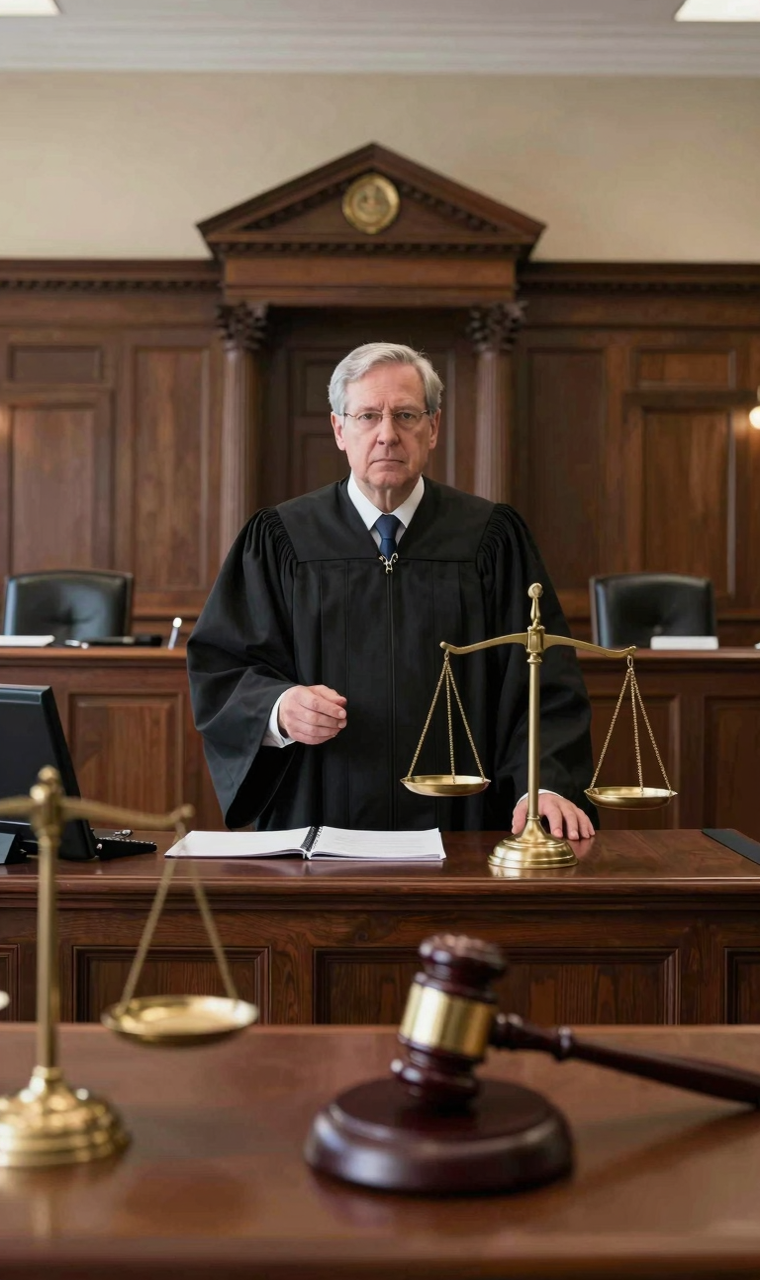
Everyone knew it. Nobody said it. Until Friday. U.S. District Judge Waverly Crenshaw filed a 32-page ruling in a Nashville courtroom. And in the second sentence — not the third, not buried on page twenty-seven, but right there in the second sentence — he quoted a former attorney general named Robert H. Jackson, who warned prosecutors in 1940: "the danger of picking the person first and the crime second." Then Crenshaw added four words that the Trump administration has been trying to bury ever since: "That is the situation here." And then: "The evidence before this Court sadly reflects an abuse of prosecuting power." That's it. That's the whole case. The government did not prosecute Kilmar Abrego Garcia because he committed a crime. They prosecuted him because he had the audacity to sue his way back into the country after the government mistakenly flew him to a Salvadoran mega-prison. Who Is Todd Blanche? At the time of this case, Todd Blanche was the Deputy Attorney General of the United States. He is now the acting Attorney General. One day after Abrego Garcia was returned to the U.S. in June 2025 — returned because the Supreme Court ordered it — Blanche went on Fox News and said the following about the man who had just been dragged back from a Salvadoran prison: "We had a judge in Maryland tell us that 'Oh, no, there is not any evidence that he is a member of MS-13, you had no right to deport him.' And so what should we do at the Department of Justice when a judge is accusing us of doing something wrong? We have an obligation to everybody, including you, to investigate it — and that's exactly what we did." Read that again. Slowly. The DOJ launched a criminal investigation into a man — after a court ruled the government had no right to deport him in the first place. Not because they suddenly discovered new evidence. Not because a detective found something in the traffic stop report. Because a judge embarrassed them.